
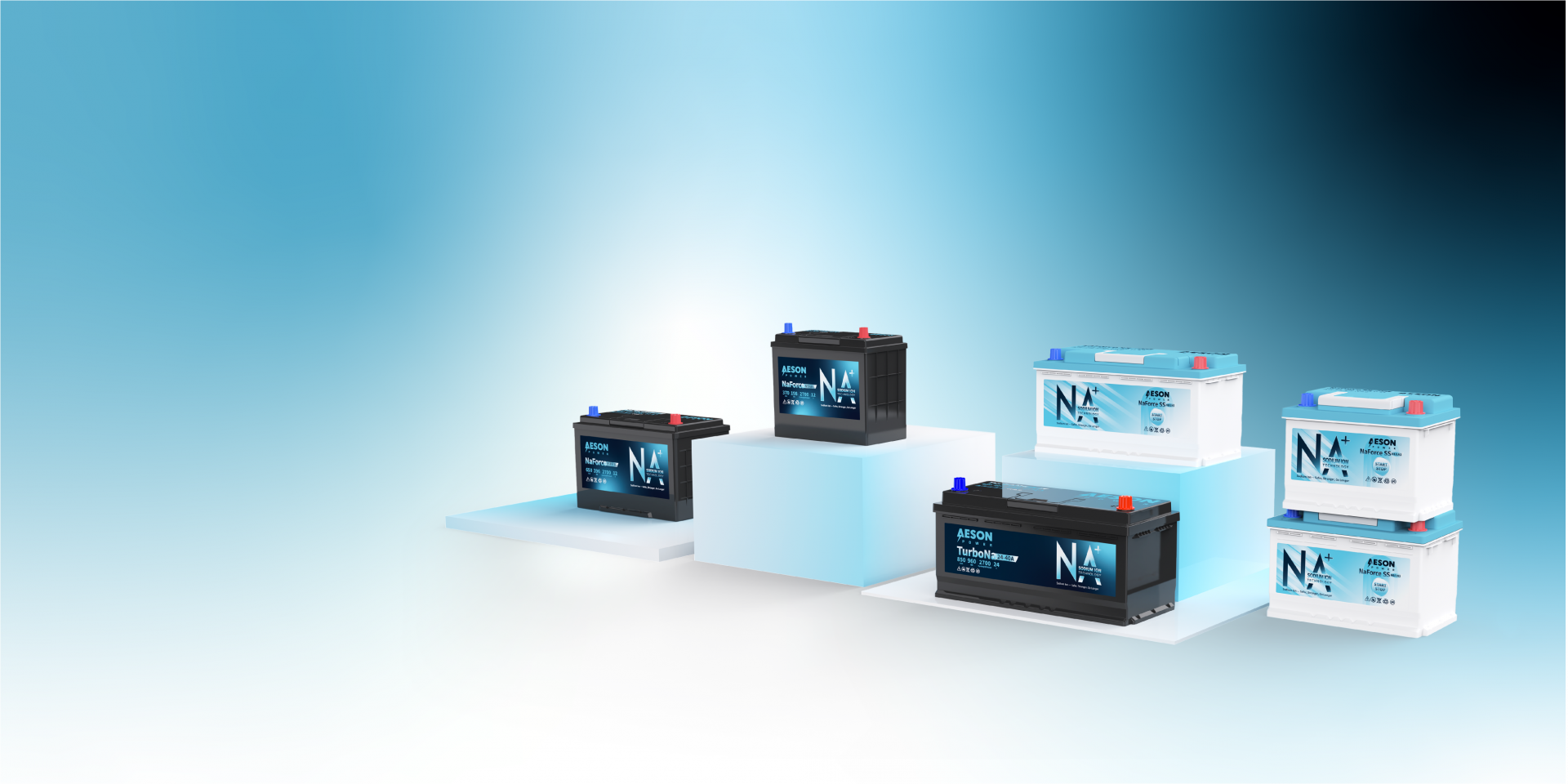
As electric vehicles continue to develop, battery technology remains a key factor influencing vehicle performance, cost, and reliability. While lithium-ion batteries currently dominate the passenger car market, sodium-ion batteries are gaining attention as an alternative solution due to their material availability, safety characteristics, and cost advantages. A common question among vehicle manufacturers and automotive suppliers is whether sodium-ion batteries can meet the requirements of passenger cars. The answer depends on several factors, including energy density, driving range expectations, battery pack design, and application scenarios. As a sodium ion battery manufacturer, Aeson Power focuses on developing sodium-ion battery solutions that balance performance, durability, and practical vehicle requirements.
Understanding Sodium-Ion Battery Energy Density
Energy density is one of the most important indicators when evaluating battery suitability for passenger vehicles. It determines how much energy can be stored within a certain weight or volume, directly affecting driving range and vehicle design.
Compared with traditional lithium-ion batteries, sodium-ion batteries generally have lower energy density because sodium-ions are larger and heavier than lithium-ions. Current sodium-ion battery technology can reach energy densities around 160 to 175 Wh/kg at the cell level, while many lithium-ion batteries achieve higher values.
However, energy density is not the only consideration in automotive applications. Passenger vehicles are used in different environments, and many drivers do not require maximum range. Compact city cars, fleet vehicles, commercial vehicles, and vehicles operating in colder regions may benefit from sodium-ion technology because of its stability and cost advantages.
For applications where moderate range and long service life are more important than maximum energy storage, sodium-ion batteries can offer a practical solution.
How Sodium-Ion Battery Range Compares With Lithium-Ion Batteries
Driving range is often the first concern when discussing electric vehicle batteries. Since sodium-ion batteries store less energy in the same space compared with higher energy-density lithium-ion batteries, vehicles using sodium-ion technology may require different design strategies.
For example, a sodium-ion battery pack with the same physical size as a lithium-ion pack may provide a shorter driving range. However, manufacturers can adjust battery capacity, vehicle weight, and power management systems to optimize overall performance.
Recent developments show that sodium-ion batteries are becoming increasingly suitable for passenger vehicles. Some next-generation sodium-ion platforms have demonstrated ranges exceeding 400 km in specific vehicle configurations, showing that the technology is moving beyond laboratory applications.
The key question is not whether sodium-ion batteries can completely replace lithium-ion batteries in every passenger car. Instead, the focus is identifying the vehicle categories where sodium-ion technology provides the best balance between cost, range, and reliability.
Battery Packaging and Vehicle Integration Considerations
Battery packaging plays an important role in determining vehicle performance. The battery pack must fit within the vehicle structure while maintaining safety, thermal management, and efficient use of space.
Because sodium-ion batteries typically have lower volumetric energy density than lithium-ion batteries, vehicle designers may need to consider larger battery packs or optimized pack structures. This can influence factors such as vehicle floor design, battery module arrangement, and overall vehicle weight.
Modern battery packaging technologies, including cell-to-pack designs, help improve space utilization by reducing unnecessary module components. These approaches allow manufacturers to maximize available energy without significantly increasing vehicle dimensions.
For sodium-ion battery applications, intelligent packaging strategies can help overcome some limitations related to energy density. Instead of simply increasing battery size, manufacturers can improve efficiency through better structural integration and energy management.
Advantages of Sodium-Ion Batteries for Passenger Vehicles
Although energy density remains a challenge, sodium-ion batteries offer several characteristics that make them attractive for automotive applications.
One important advantage is material availability. Sodium resources are widely distributed, which can help reduce dependence on limited battery materials and improve supply chain flexibility.
Sodium-ion batteries also provide excellent thermal stability and reliable performance in low-temperature environments. These characteristics are valuable for vehicles operating in regions with cold climates, where traditional batteries may experience reduced performance.
In addition, sodium-ion batteries can achieve long cycle life, making them suitable for vehicles that require frequent operation, such as shared mobility fleets, delivery vehicles, and commercial transportation.
Aeson Power develops sodium-ion battery products designed for automotive scenarios, including passenger car starting systems and other vehicle applications. Its technology focuses on safety, structural stability, and long-term performance.
Where Sodium-Ion Batteries May Fit in the Automotive Market
The future role of sodium-ion batteries will likely depend on vehicle requirements. Premium electric vehicles with long-distance driving needs may continue using higher-energy lithium-based technologies. However, sodium-ion batteries can provide advantages in segments where affordability, safety, and durability are priorities.
Potential applications include urban passenger cars, entry-level electric vehicles, hybrid systems, auxiliary power systems, and vehicles operating in extreme environments.
For automotive companies evaluating future battery strategies, sodium-ion technology represents an additional option rather than a direct replacement for every lithium-ion application.
Conclusion: Sodium-Ion Batteries Have a Practical Role in Future Vehicles
Sodium-ion batteries can power passenger cars, but their success depends on selecting the right applications and designing vehicles around their characteristics. While energy density and range remain important challenges, improvements in battery chemistry and packaging technology are expanding their possibilities.
As the technology continues to develop, sodium-ion batteries may become an important part of a diversified automotive battery ecosystem. For companies seeking reliable and cost-effective battery solutions, working with an experienced sodium-ion battery manufacturer such as Aeson Power can help identify suitable applications and develop products that meet specific vehicle requirements.
