
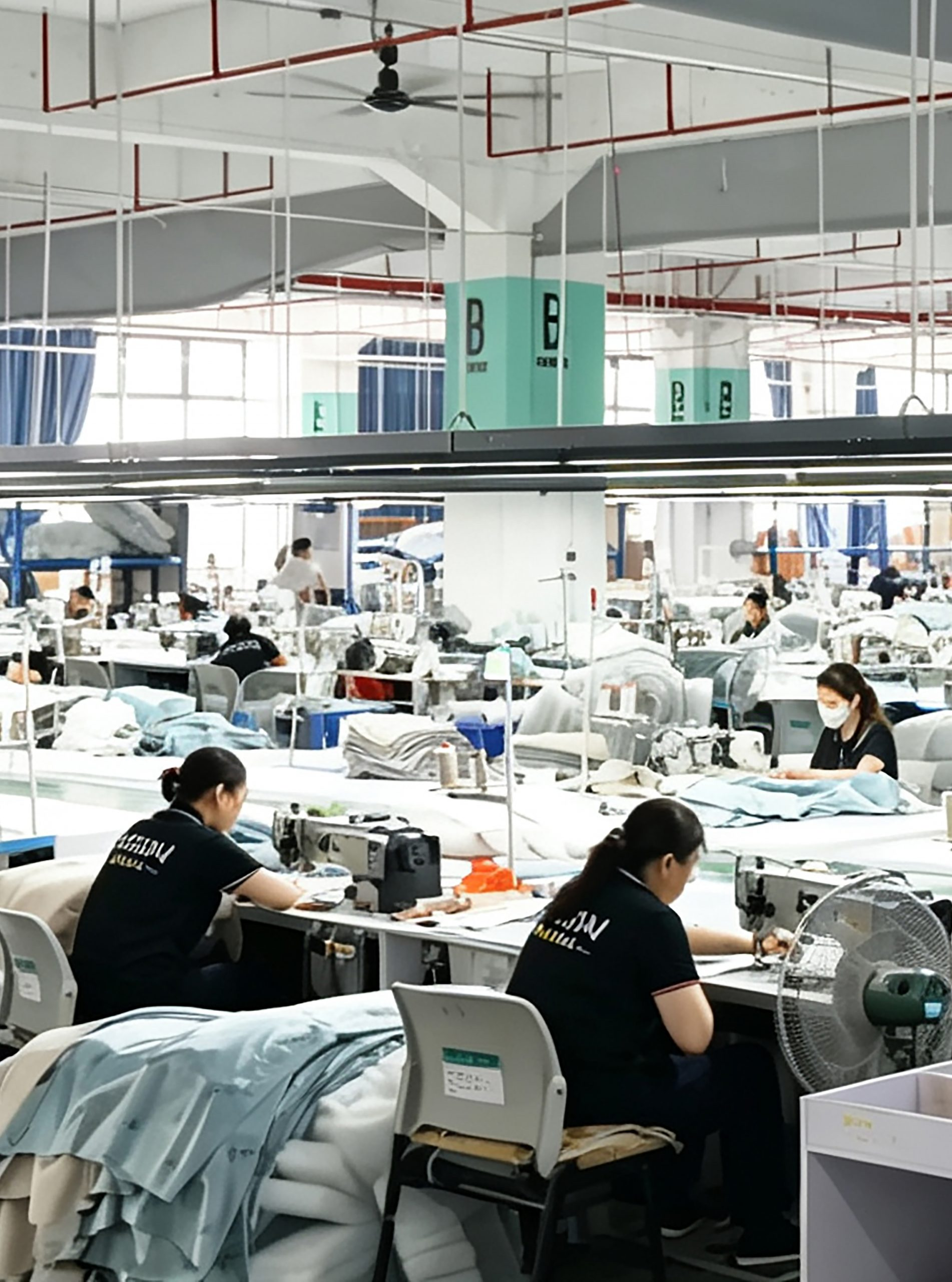
A delayed shipment can empty a retailer’s display floor, while inconsistent firmness can turn a hotel replacement program into a series of complaints. Those consequences make reliability a practical purchasing question rather than a description in a sales brochure. A business needs to know whether a prospective factory can make the specified mattress repeatedly, document what it has made, and deliver it under workable terms.
Price matters, but a low quotation says little about the materials inside the mattress or the controls applied between sampling and shipment. Evaluating a mattress manufacturer therefore begins with the buyer’s own product requirements and ends with evidence that those requirements can survive production at scale.
Define Reliability in Terms of the Order
Reliability changes with the intended use. A retailer introducing several comfort levels needs consistent differences between models; a hotel replacing mattresses across many rooms needs uniform dimensions and a predictable feel. An importer may place additional weight on packaging, labeling, and communication across time zones.
The first task is to write a specification that captures construction, size, firmness target, fabric, permitted tolerances, packing method, and expected volume. Vague requests for a comfortable or durable mattress leave too much room for interpretation.
A mattress manufacturer can then be evaluated against the same document as its competitors. The buyer can ask which features are standard, which require tooling or material changes, and which need a sample before a quotation is final.
A mattress supplier that cannot explain a difference between a sample and a proposed production version may create uncertainty before the first order is placed. A useful comparison records answers beside each requirement instead of reducing the decision to a single quoted price.
Examine Production and Quality Controls
The order determines which parts of a factory’s capacity can be put to work. A large workshop does not automatically prove that a particular foam density, spring construction, or cover fabric can be supplied consistently.
Buyers can examine where materials are selected, how dimensions are checked, and when a finished mattress is inspected. The most revealing question is often how a factory identifies and corrects a deviation: an approved sample has value only if later units are compared with it.
A mattress manufacturer’s documented control chain names who approves design changes and material substitutes, then records how defects are handled before packing. Photographs, samples, and inspection criteria make those explanations testable.
If an order contains several models, the controls must distinguish them clearly; a label attached to the wrong construction is still a quality failure. These details also help a mattress supplier discuss production realistically, because promised dates depend on the materials, complexity, and quantity actually ordered.
It is useful to request an example of a completed inspection record, with confidential customer details removed. Such a record shows whether measurements and defects are documented consistently or merely discussed after a complaint. The buyer can then compare the record’s checkpoints with its own specification.
Check Development and Commercial Fit
Some businesses need an established model with their branding, while others need changes to size, materials, or appearance. The relevant question is whether the factory can translate those requests into a controlled production specification. Design resources, sampling, and communication between development and manufacturing matter more than an unrestricted claim of customization. A buyer can ask for examples of how a proposed change will affect construction, testing, packaging, and the final quotation.
OEM and ODM are part of the manufacturing work described by Suisin Furniture. Founded in Foshan in 2012, the company says it combines product design, R&D, manufacturing, sales, and service. It reports a production workshop of about 200,000 square meters, a 20,000-square-meter international exhibition hall, more than 300 certified product patents, and exports to more than 60 countries.
Its stated OEM and ODM support and quality control from material selection through finished products provide starting points for a buyer’s questions. The buyer still needs to verify which resources, specifications, and inspection steps apply to the particular mattress order.
Test the Working Relationship Before Scaling
Reliability also appears in ordinary exchanges before a contract is signed. A clear response to a specification question shows more than a polished catalog. Changes in dimensions or packaging should produce an updated written record, not an informal assurance that production will adapt.
Sample approval can establish a reference for comfort and appearance, while purchase terms should define what happens if the delivered goods differ from that reference. The same discipline is useful for residential, hotel, apartment, and commercial projects, even though their technical priorities differ.
When evaluating Suisin Furniture or any other mattress manufacturer, buyers should connect claimed capacity, product development, and quality processes to their actual requirements. A mattress supplier also has to explain how the order moves through packing and delivery, where communication failures can undo careful factory work.
The strongest selection is the one supported by a clear specification, relevant evidence, and a workable method for resolving deviations. Those records, rather than a broad promise of reliability, give a business a basis for a lasting supply relationship.
