
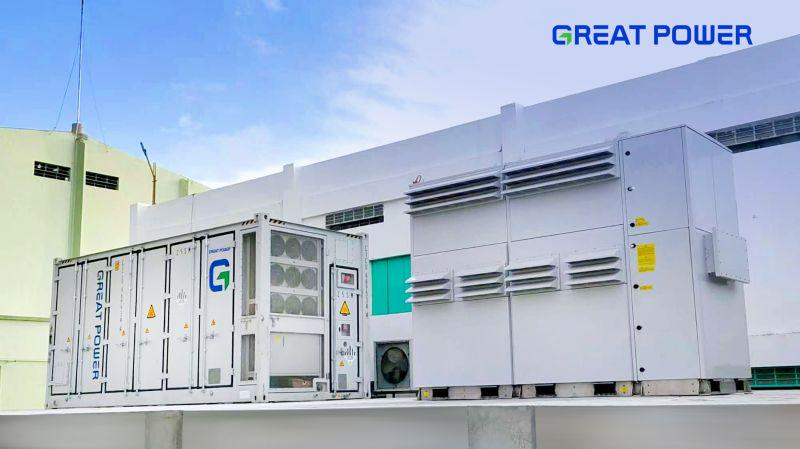
High-voltage battery systems can deliver substantial energy for renewable integration, peak management, and industrial power applications. Their benefits also require disciplined operation because electrical hazards, thermal events, environmental conditions, and control-system faults can affect personnel and equipment. Safe operation therefore depends on following defined procedures, monitoring system status, and treating every warning as a potential safety signal.
Understand the Risks Before Operating an Energy Storage Container
A high-voltage energy storage container integrates components such as Li-ion Battery systems, battery packs, BMS, power conversion equipment, thermal management, fire protection, and communication systems.
Key risks include electric shock, arc flash, stored energy, overheating, and unexpected switching. Personnel should understand the system architecture, isolation points, alarms, and emergency procedures. Training should match each role, with only qualified personnel handling electrical equipment or internal components.
Check the Energy Storage Container Before Operation
A pre-operation inspection should check the enclosure, cables, connectors, grounding, cooling equipment, and signs of physical damage. Keep the area clear and follow manufacturer requirements for clearance, environmental conditions, and emergency equipment.
Do not operate the system if protective components are damaged. After flooding or abnormal moisture exposure, inspect the equipment even if it has an ingress protection rating.
Follow a Controlled Energization Procedure
High-voltage systems should never be energized casually. Before startup, confirm that installation and maintenance work has been completed, access panels are secured, personnel are clear of hazardous areas, and required isolation procedures have been completed.
Operators should review the BMS, system controller, and other monitoring interfaces for active alarms before enabling normal operation. Abnormal voltage, temperature, insulation, communication, or protection readings should be investigated according to the approved operating procedure.
For commercial battery storage systems, startup sequences can involve multiple interconnected devices. The correct sequence should therefore come from the project’s approved documentation rather than assumptions based on another battery system.
Monitor Voltage, Temperature, and System Alarms
Continuous monitoring is essential for high-voltage storage. Operators should track battery voltage, temperature, state of charge, charging or discharging power, alarms, and communication status.
Abnormal temperature trends or operating behavior should be investigated promptly. Alarms should not simply be reset to restore operation. Operators should identify and resolve the underlying issue before returning the system to service.
Respect Thermal Management Requirements
Battery safety and performance depend on proper temperature control. Liquid-cooled systems require functioning thermal management, while air-cooled systems rely on adequate airflow and suitable conditions.
The Max 5000 uses liquid cooling and has published protection ratings of IP55 for the system, IP67 for the Battery Pack, IP54 for the high-voltage box, and IPX5 for the electrical compartment. Operators should monitor cooling alarms and temperature changes and follow shutdown and maintenance procedures when abnormalities occur.
Keep Electrical Isolation Procedures Strict
One of the most important rules for high-voltage storage is to assume that electrical energy may remain present until isolation has been verified. Turning off a visible control switch does not necessarily mean every hazardous voltage has disappeared.
Before maintenance, personnel should follow the site’s approved lockout/tagout or equivalent isolation procedure. This normally involves identifying energy sources, isolating them, securing the isolation, and verifying the absence of hazardous voltage using appropriate procedures and equipment.
Never open electrical compartments or access internal high-voltage components unless the task is authorized and the required qualification, isolation, and verification procedures are in place. Maintenance instructions supplied for the specific system should always take precedence over general assumptions.
Maintain Safe Conditions Around the Container
The external environment can influence storage-system safety. Keep access routes unobstructed and ensure that emergency exits, isolation devices, and firefighting equipment remain accessible.
Do not modify the energy container, drill additional openings, alter ventilation paths, or install unapproved equipment without authorization. Changes to the enclosure or electrical configuration can affect protection, thermal management, fire safety, and system certification.
For commercial battery storage systems installed outdoors, operators should also consider site conditions such as ambient temperature, precipitation, dust, vegetation, and unauthorized access. Regular inspections help maintain the conditions assumed during system design and installation.
Respond Properly to Abnormal Events
Smoke, unusual odors, rapid temperature increases, repeated alarms, visible damage, or abnormal electrical behavior require immediate attention. Follow the site’s emergency plan and keep a safe distance when necessary.
Do not open the enclosure to investigate a suspected battery incident. After an abnormal event, identify and document the cause and complete the required inspection and authorization before restarting the system.
Build Safety Into Daily Operation
Safe energy storage operation is a continuous process rather than a one-time commissioning activity. Operators should maintain inspection records, review alarm histories, verify monitoring functions, and ensure that maintenance activities follow documented procedures.
Periodic training is equally important. Personnel should understand changes to system configuration, emergency response responsibilities, isolation procedures, and lessons learned from previous incidents. Clear communication between operators, maintenance teams, site owners, and service providers reduces the risk of unsafe assumptions.
Conclusion
High-voltage storage safety depends on combining sound system design with disciplined human operation. Pre-operation inspections, controlled energization, continuous monitoring, thermal management, electrical isolation, environmental maintenance, and appropriate emergency response form the foundation of safe practice.
Great Power provides large-scale energy storage solutions for utility-scale and C&I applications, including the Max 6250, Max 5000, and Max 3440 systems. The portfolio incorporates containerized configurations and liquid-cooling technologies designed for large-scale energy storage applications. The company also maintains a broader portfolio covering cells, packs, racks, cabinets, and containers for different energy storage scenarios.
For businesses deploying an energy storage container, safety should remain part of the entire operating lifecycle, from installation and commissioning through routine operation and maintenance. A well-defined safety culture helps personnel recognize abnormal conditions early, protect critical equipment, and operate high-voltage storage assets with greater confidence and consistency.
