
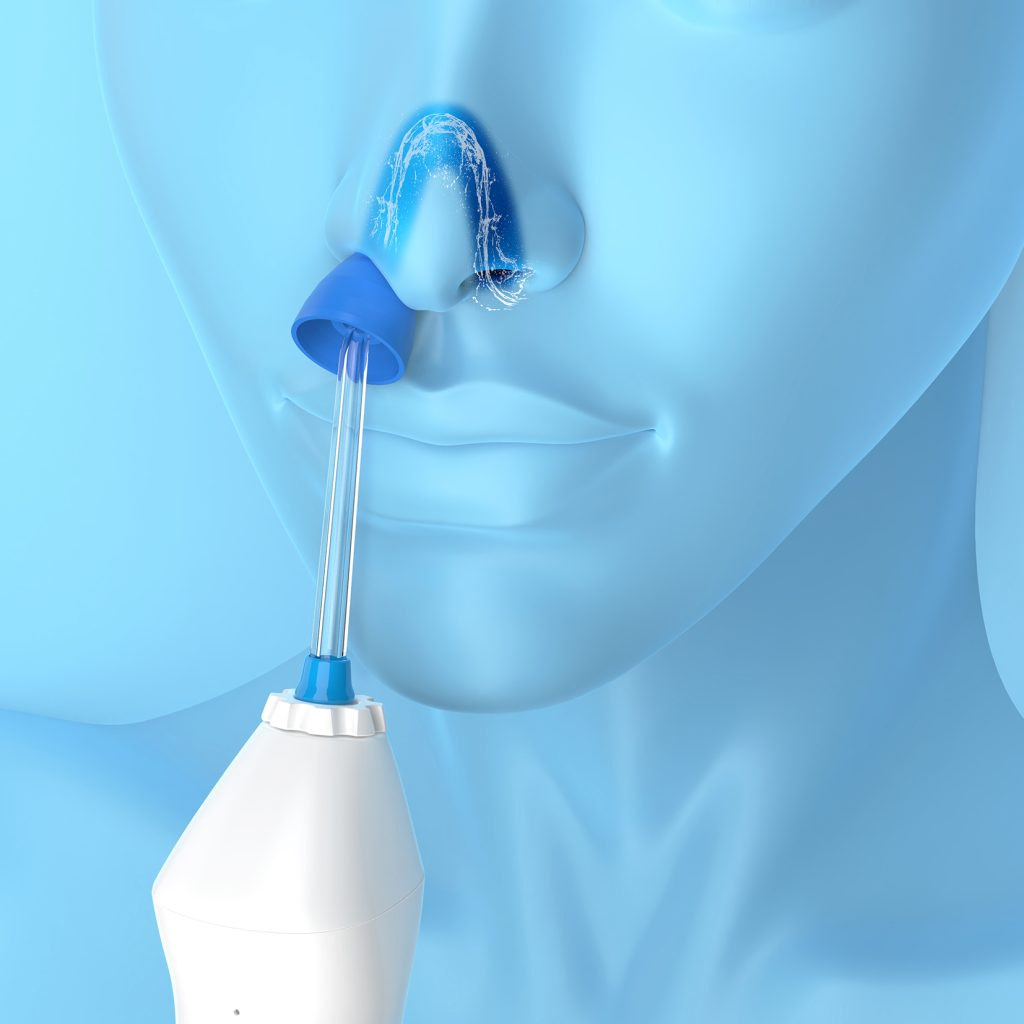
A blocked or runny nose can seem minor, but recurring symptoms may affect sleep, comfort, concentration, and quality of life. Good nasal health practices do not replace diagnosis or treatment, yet they can help manage common problems by reducing irritants, keeping nasal passages comfortable, and supporting mucus clearance. Knowing what these practices can and cannot address is important.
- Nasal Congestion and a Blocked Nose
Nasal congestion is commonly linked to rhinitis, infections such as colds or flu, sinusitis, allergies, irritants, and other conditions. The nasal lining can become swollen, making normal airflow more difficult. Symptoms may include a stuffy feeling, drainage, sneezing, or mucus at the back of the throat.
Simple habits can reduce discomfort. Avoiding irritants such as tobacco smoke, heavy dust, and strong fragrances may reduce nasal irritation. Adequate humidity can make dry nasal passages more comfortable. Saline sprays or irrigation may also help wash away mucus, allergens, and debris.
- Allergic Rhinitis and Irritation
Allergic rhinitis may cause repeated sneezing, itching, congestion, and a runny nose after exposure to triggers such as pollen or dust mites. Good nasal health routines can support trigger management when symptoms are connected to the environment. Reducing exposure to known allergens remains an important practical step.
Saline nasal irrigation can help clear allergens and irritants from the nasal passages. However, it is supportive care rather than a cure for allergy disease. Persistent or severe symptoms may require professional evaluation to identify triggers and treatment.
- Thick Mucus and Postnasal Drainage
Colds and sinus inflammation can increase mucus production and make drainage uncomfortable. Thick mucus may contribute to a blocked nose, throat clearing, cough, facial pressure, or reduced sense of smell. Saline irrigation can loosen mucus and help clear material from the nasal passages, which may improve daily comfort.
Technique matters. Nasal irrigation devices should be used according to instructions and kept clean between uses. The U.S. Food and Drug Administration advises using distilled, sterile, or previously boiled water for nasal rinsing rather than untreated tap water. This is an essential safety point for any routine focused on nasal health.
- Sinus Pressure and Recurrent Symptoms
Sinusitis involves inflammation and swelling around the sinuses and can make normal drainage difficult. Common symptoms include congestion, thick nasal discharge, facial pressure or pain, and reduced ability to breathe through the nose. Saline rinsing may help loosen mucus and relieve some nasal symptoms, but it cannot determine whether an infection is present or whether prescription treatment is needed.
Persistent symptoms deserve medical attention. A healthcare professional should assess symptoms that last longer than expected, become severe, or occur with signs such as high fever, significant facial pain, or bloody discharge. Good nasal health practices are most useful when they complement appropriate medical advice rather than replace it.
- Building a Practical Nasal Health Routine
For product planners and oral-care businesses, it is useful to distinguish nasal irrigation from oral cleaning. A dental water flosser is designed for cleaning between teeth and around the gumline, while a nasal irrigator delivers saline solution through the nasal passages. These devices serve different hygiene purposes and should not be treated as interchangeable products.
A practical routine can focus on reducing triggers, maintaining comfortable humidity, and using appropriate saline irrigation when suitable. Device design should support controlled delivery, comfortable handling, easy cleaning, and clear instructions. These details matter because consistent routines are easier when the user experience is simple.
- Where Flycat Fits Into Nasal Care Product Development
Flycat develops oral-care products and also offers nasal irrigators, including handheld, portable, and countertop categories. Their official range shows that nasal irrigation is part of their broader hygiene-focused portfolio, alongside water flossers and other oral-care solutions. For businesses developing private-label or OEM/ODM programs, this wider product capability can support category expansion.
Their NJ1581 portable nasal irrigator is listed with four operating modes, a 220 mL water tank, a 0–10 psi pressure range, and IPX7 waterproof protection. These specifications come from their official product information and illustrate controlled delivery, portability, and practical use.
- Why Manufacturers Need Clear Product Positioning
A strong category message should explain the problem a device is designed to address without overstating medical benefits. Nasal irrigators can be presented around mucus removal, allergen clearance, and moisturizing support, while a dental water flosser should remain positioned around oral cleaning. Clear separation helps buyers understand product functions and supports responsible marketing.
Flycat combines manufacturing, R&D, and OEM/ODM support for oral-care brands and healthcare-related businesses. Their company information states that they operate a 20,000-square-meter facility, 30 production lines, and daily production capacity of up to 30,000 units. For companies evaluating suppliers, these capabilities can be relevant when planning scalable product programs.
- Choosing a Nasal-Care Partner
Good product communication starts with accurate technical information and responsible health guidance. Buyers should review intended use, operating modes, pressure or flow characteristics, cleaning requirements, materials, certifications, and customization options. End-user instructions should also make safe water use and device hygiene easy to understand.
Flycat’s OEM/ODM positioning gives buyers access to both water-flossing and nasal-irrigation categories under one manufacturing partner. Their official information highlights ISO 9001 and ISO 13485 certification and distribution across more than 60 countries and regions. For brands building a broader personal-care portfolio, that combination can be relevant when assessing manufacturing fit and product development needs.
