
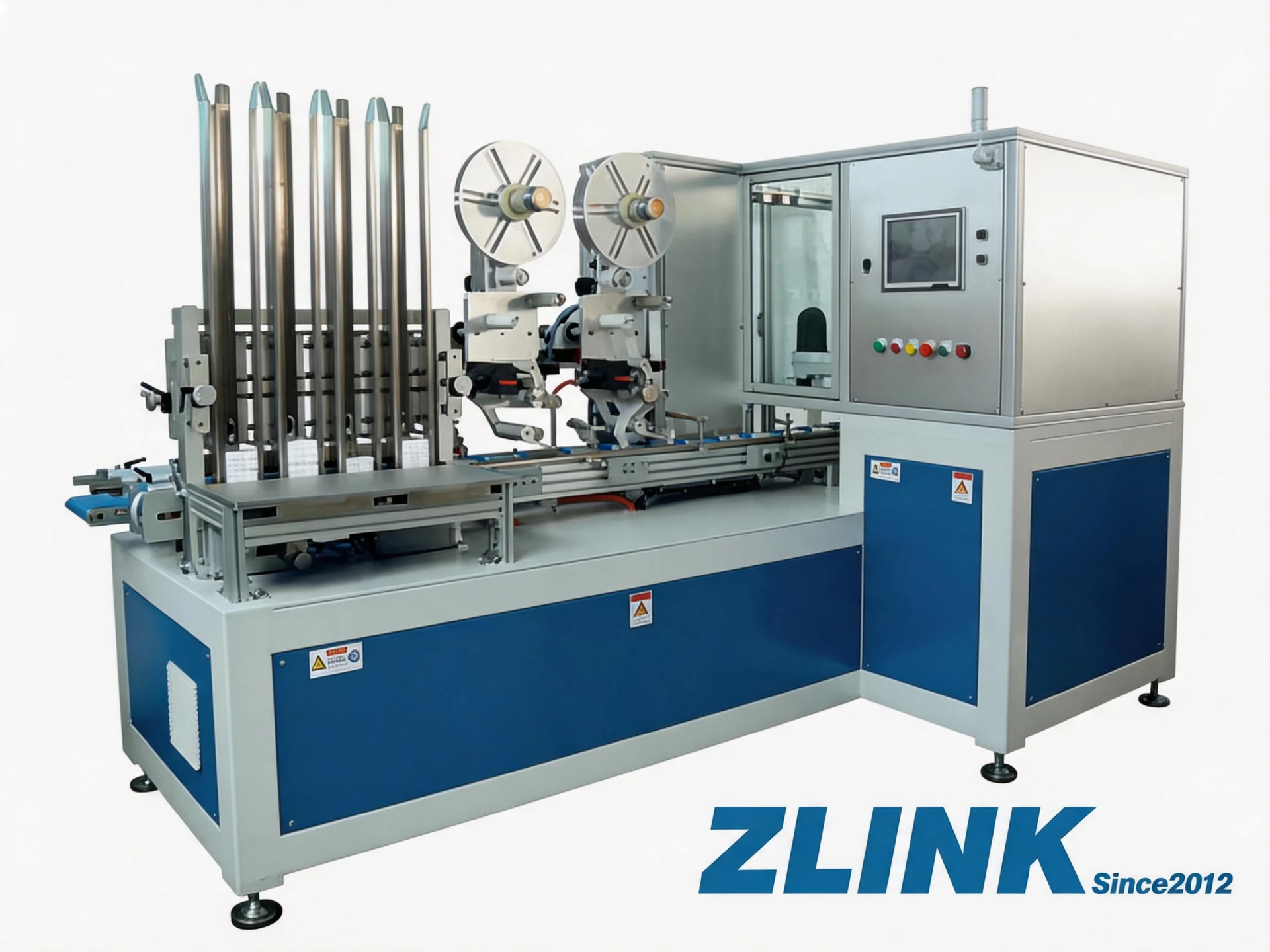
Selecting appropriate machinery for converting nonwoven fabrics into market ready wet wipe products requires a detailed technical evaluation of production parameters. Manufacturing facility managers and engineering teams must carefully align physical product specifications with equipment capabilities to optimize output and maintain operational stability. Factors such as substrate selection fold configuration liquid dosing requirements and packaging styles dictate the precise machinery configuration needed for a plant. As a recognized wet wipes machinery manufacturer, ZLINK provides specialized converting and packaging equipment designed to fulfill varied factory requirements and scale production efficiently.
Evaluating Nonwoven Fabric Compatibility and Folding Specifications
The raw nonwoven material selected for a specific wet wipe variant heavily influences machine selection and mechanical setup. Spunlace nonwovens thermo bonded materials and flushable substrates behave differently under mechanical tension and require specialized unwinding and feeding systems. Modern machinery incorporates electronic web guiders and automatic tension control systems to manage jumbo rolls without causing material distortion or web breaks during high speed feeding operations. Converting equipment must maintain gentle tension control across multiple lanes while pulling material through dedicated folding plates to establish clean and precise cross fold or interfold patterns.
Evaluating the geometric properties of folded nonwovens helps engineering teams select between single lane units and multi lane production lines. High capacity formats such as eighty count baby wipes require robust multi lane lines capable of handling continuous stacking without bottlenecking downstream processes. Smaller pocket sized wipe packs or single sheet sachets rely on specialized folding mechanisms designed for rapid cutting and compact web pathways. Selecting a modular wet wipes machine architecture allows plants to adjust lane counts and folding parameters to match changing market demands without replacing the primary infrastructure.
Matching Liquid Dosing Systems with Wipe Formulations
Liquid application systems represent another critical engineering factor when matching product specifications to converted machinery options. The viscosity chemical composition and target liquid ratio of the lotion dictate the required pumping and distribution design within the wetting module. Modern converting lines use electronic flowmeters and liquid level controls to help maintain uniform solution distribution across nonwoven sheets while reducing the risk of over-saturation. Incorporating an advanced wet wipes making machine enables plants to maintain precise liquid wetting ranges across various dry substrate weights reliably.
Precision dosing is essential for maintaining product compliance and minimizing solution waste throughout high volume manufacturing runs. High speed spray bars and submerged wetting troughs are deployed depending on whether the lotion is water based alcohol based or emulsion based. Corrosion resistant stainless steel fluid lines and sanitary pumps prevent chemical degradation and meet stringent hygiene standards required for personal care products. Proper integration between the dosing module and web drive speed ensures that lotion application dynamically scales with line velocity preventing dry spots during acceleration.
Selecting Packaging Formats and Motion Control Technologies
The final packaging style specified for a product line determines the required downstream machinery and sealing mechanisms. Single sheet sachets pocket sized mini packs and high capacity baby wipe packs each demand distinct wrapping systems and motion control setups. Flexible multi axis servo controllers synchronized with touch screen user interfaces allow precise indexing cutting and sealing across diverse packaging films such as laminated films and heat sealable materials. Operating an automated converting setup with continuous web splicing features minimizes downtime by allowing seamless material roll changes without interrupting production output.
Automated lid application unit integration further stream lines flow wrapping operations for rigid cap wipe packages. Vision guided robotic pick and place units place plastic lids onto wrapped flow packs with high position accuracy while maintaining continuous line speeds. Advanced servo drives monitor sealing pressure and temperature to help maintain consistent seal quality across production runs. Engineering teams evaluating full line synchronization must match packaging speed caps with converting capabilities to prevent production bottlenecks during peak manufacturing shifts.
Integrating Automated Quality Inspection and Hygienic Standards
Industrial wet wipe manufacturing demands rigorous hygiene standards and automated quality control checks integrated directly along the processing line. Equipment designed with sanitary conveyor belts low point drain pipelines and Clean In Place capabilities ensures simplified cleaning and pasteurization routines. Advanced online monitoring systems utilize spectral decomposition detection checkweighers and vision sensors to check nonwoven weight label placement and seal integrity in real time. Deploying comprehensive ZLINK wet wipes machinery allows facilities to automate empty bag rejection prevent duplicate stacking and safeguard overall production quality before final casing and palletizing.
Automated vision systems inspect finished packs for micro pinholes improper cap placement and misaligned optical tracking marks at full operating speeds. Defective units are automatically removed from the main transport line using pneumatic pushers without interrupting downstream cartoning or palletizing equipment. Collecting operational telemetry across all inspection nodes provides maintenance teams with clear predictive data regarding component wear and calibration requirements. Facilities leveraging integrated line management systems achieve consistent product parameters while optimizing operational uptime across continuous production cycles.
