
Natural gas is transported across vast distances at extremely high pressures to maximize efficiency. When reaching local distribution networks, its pressure must be significantly reduced. Traditionally, operators use standard throttling valves to achieve this necessary pressure drop. While effective for regulation, throttling valves simply waste the potential energy stored within.
This wasted energy represents a missed opportunity for many industrial sites. Instead of letting pressure dissipate as heat and noise, facilities can capture it. By replacing traditional valves with specialized equipment, operations can convert this pressure differential into usable electricity, aligning seamlessly with modern industrial energy efficiency goals.
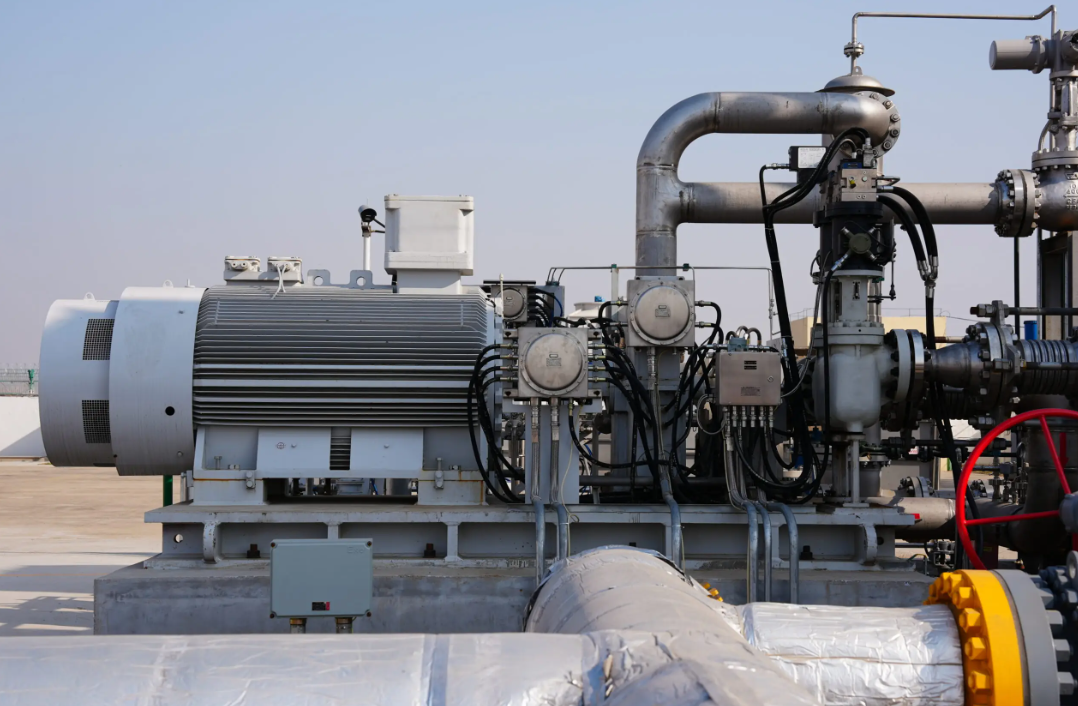
The primary technology used to capture this energy is highly engineered rotating equipment designed to expand high-pressure fluid while extracting work. It accurately reduces gas pressure to meet local requirements while simultaneously generating mechanical shaft power to drive associated electrical components.
Understanding the Expansion and Generation Principle
To understand how this equipment works, one must look at the physics of gas expansion. When high-pressure natural gas enters the machine, it is directed through stationary nozzles. These nozzles accelerate the gas, converting potential energy into kinetic energy. The high-velocity gas is then directed onto the blades of a rotating turbine.
Impacting the turbine blades, the gas forces the rotor to spin rapidly. This process extracts mechanical energy, resulting in a substantial decrease in pressure and temperature. The gas then exits the machinery at the exact lower pressure required for the downstream network, ensuring no disruption to standard distribution.
Enabling Mechanical Energy Conversion
The mechanical energy captured by the spinning turbine rotor must be converted into a usable format through turbo expander power generation. The rotor connects directly to a shaft, which in turn drives an electrical generator. This setup forms the critical foundation of the system, turning rotation into electricity.
The electricity produced can power internal facility operations, directly reducing grid reliance and operational costs. Alternatively, in regions with favorable regulatory frameworks, the generated power can be exported and sold to the local electrical grid. This transforms a standard pressure reduction station from a sunken cost into a revenue-generating asset.
Site Conditions That Determine Practical Recovery
While the concept of recovering energy from pressure drops is highly appealing, it is not universally applicable. The feasibility of a project depends heavily on specific site conditions. Operators must carefully evaluate their stations to determine if installing recovery technology makes long-term economic sense.
The most critical factor is the pressure differential. There must be a consistent difference between the inlet pressure and the required outlet pressure. Minor pressure drops do not contain enough potential energy to justify the capital investment of a rotating turbine system. A significant delta is strictly required.
Gas flow rate is equally important when evaluating site viability. A natural gas turbo expander requires a steady, high-volume flow to maintain efficient turbine operation. Sites with highly variable, seasonal, or exceptionally low flow rates may struggle to keep the equipment running optimally, leading to increased wear.
Managing Thermodynamics and Temperature Control
Thermodynamics introduce another crucial site condition: temperature management. When natural gas expands and does work on a turbine, its temperature drops drastically. Without intervention, this rapid temperature drop can cause any latent moisture or heavier hydrocarbon compounds present in the gas stream to freeze solid.
Freezing can severely damage turbine blades and block downstream pipelines. Therefore, practical sites often require dedicated pre-heating systems. The gas is usually heated using water bath heaters before it enters the expander. The required inlet and outlet temperatures must be determined from the gas composition, operating pressure, hydrate formation conditions, and downstream temperature limits.
Analyzing a Defined Operating Case
To illustrate these principles, consider a defined operating case at a typical city gate station. In this scenario, gas arrives from a transmission pipeline at a pressure of sixty bar. The local distribution network requires gas supplied at a strictly controlled fifteen bar.
This station experiences a consistent flow rate of fifty thousand standard cubic meters per hour throughout the year. Instead of routing this flow through a throttling valve, the station directs it through an expander. Prior to expansion, a site boiler pre-heats the gas stream.
As the gas passes through the turbine, the pressure drops precisely from sixty bar to fifteen bar. The temperature falls back to approximately five degrees Celsius, remaining safely above freezing. The turbine captures this energy, driving a generator that produces roughly one point two megawatts of continuous power.
In this operating case, the capital expenditure for the equipment can often be recovered within a few years. However, if the flow rate dropped to ten thousand cubic meters per hour, or the inlet pressure fluctuated heavily, the economic model would fail, demonstrating why site evaluation is paramount.
Maintenance and Reliability Considerations
Beyond thermodynamic conditions, operators must also consider the physical layout and maintenance capabilities of the site. High-speed rotating equipment requires precise alignment, clean lubrication systems, and regular condition monitoring. Facilities must have the infrastructure and trained personnel available to support these strict and necessary maintenance schedules.
Natural gas streams must also be properly filtered before entering the turbine. Particulate matter, pipeline scale, or liquid slugs can cause catastrophic damage to the spinning blades. Reliable filtration and separation equipment upstream are non-negotiable requirements for practical, safe, and continuous operation of the system.
Turning Pressure Letdown into Recoverable Power
Treating pressure reduction as an energy source rather than a purely mechanical step helps operators build a clearer economic case for retrofit projects. Joulong Energy Technology Co., Ltd. develops turbine expanders and natural gas pressure differential power generation systems with in-house R&D and customized engineering, recovering pressure energy without consuming additional gas to deliver zero-carbon power for pipeline and distribution stations. Contact Joulong to discuss your inlet/outlet parameters and request a preliminary feasibility review.
