
Maintaining stable thermal conditions remains a core necessity for aquatic biological safety. Temperature drops or sudden thermal spikes create immediate physiological stress for fish and corals. Identifying early warning signs of aquarium heater failure helps aquarists prevent water quality degradation and livestock loss.
Modern thermal devices feature digital sensors, microcontrollers, and automatic safety shutoffs. However, mechanical wear, mineral accumulation, and installation oversights still cause operational disruption. Diagnosing aquarium heater problems requires a systematic check of electrical supply, probe calibration, and placement within high-flow water areas.
How to Fix an Overheating Water Tank?
Symptom: Water temperature exceeds the desired setpoint, climbing into hazardous ranges for aquatic life. Potential causes include stuck internal relay switches, incorrect thermostat settings, or placing thermal equipment near external heat sources.
Resolution steps start with immediately unplugging the heating unit to stop further temperature rise. Float sealed ice bags in the tank or execute gradual water changes to cool the environment safely without shocking aquatic inhabitants. Never attempt rapid cooling with direct cold ice addition.
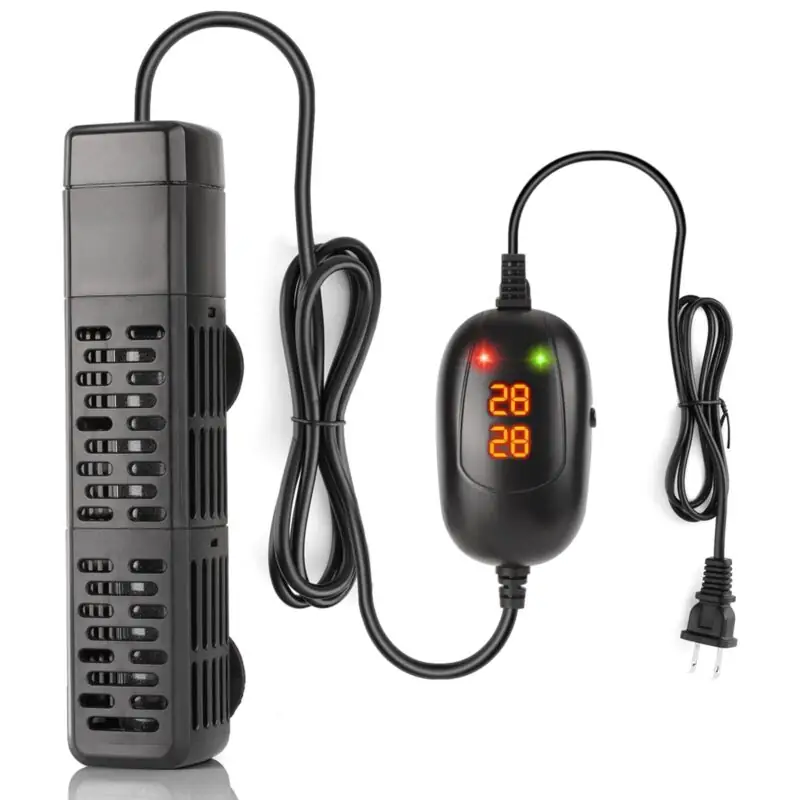
Calibration drift can also cause excessive heating. Inspect whether external temperature controllers or internal sensors require re-calibration. Specialized units, such as submersible fish tank heaters (available in wattages ranging from 50 W to 500 W) with over‑temperature protection and automatic power‑off when out of water, incorporate automatic thermal limits to interrupt power before hazardous levels are reached.
What Causes Water Temperature Inaccuracy?
Symptom: External thermometers display readings that differ significantly from the target temperature selected on the control interface. Possible causes involve localized heating pockets due to low water circulation, mineral buildup over sensors, or sensor degradation.
Resolution steps require checking water movement around the heating body. Relocate the submerged unit directly into areas of strong current, such as near filter outputs or wavemakers. Uniform water movement prevents localized warm zones and provides accurate temperature reads across the tank.
Additionally, clean calcium deposits off the outer tube using mild vinegar solutions. Accumulated crust insulates sensors, creating inaccurate temperature readings. Regular maintenance preserves precise measurement and continuous thermal stability in both marine and freshwater environments.
Why Is the Dry-Burn Alarm Triggering Frequently?
Symptom: Visual or audible error alerts trigger repeatedly, signaling dry-burn warnings even while the unit appears submerged. Possible causes include low water levels due to evaporation, trapped air bubbles near internal sensors, or improper mounting orientation.
Resolution steps begin by verifying that water levels cover the minimum immersion line marked on the housing. Top off evaporated water using distilled or reverse-osmosis water to restore optimal water levels. Ensure the device sits at the recommended vertical or horizontal tilt angle.
Gently shake the submerged tube to release trapped air pockets clinging to the sensor housing. Micro-bubbles from air stones or protein skimmers can trick optical sensors into sensing dry conditions. Re-positioning the unit away from air bubbles resolves false alarms.
How to Resolve Smart Control Misconfigurations?
Symptom: Digital display screens cycle erratically, fail to save setpoints, or output incorrect error codes. Potential causes include line noise from shared power strips, accidental button lock activations, or firmware glitches in digital microcontrollers.
Resolution steps start with performing a hard power reset. Unplug the heating module from power for three minutes before reconnecting to clear temporary digital memory errors. Check the user manual to verify whether key-lock functions are engaged.
Ensure the power cord connects directly to a stable supply rather than overloaded extension cords. Electrical noise from high-wattage equipment can disrupt delicate digital controllers. Accessing information About HiTauing user guidelines reveals specific error-code tables designed to assist with quick digital reset procedures.
When to Replace Equipment or Reach Out to Support?
Electrical components inside aquatic heaters undergo continuous thermal expansion and contraction cycles. Cracks in quartz glass, corroded titanium casings, or moisture inside the tube present immediate electrical risks. Any sign of physical casing damage requires instant device retirement.
If systematic troubleshooting steps fail to clear error codes or if temperature swings persist beyond acceptable limits, replacing the unit becomes mandatory for livestock safety. Quality manufacturers provide direct channels for technical assessment, warranty evaluation, and replacement support.
To learn more About HiTauing engineering standards or consult technical representatives regarding troubleshooting, visiting official service channels helps clarify product behavior. Utilizing the Contact Us option allows commercial clients and aquarists to receive specialized advice, replacement parts, or technical support.
Conclusion
Resolving fish tank heater troubleshooting challenges involves inspecting power sources, clearing mineral buildup, optimizing flow placement, and verifying sensor calibration. Understanding these common operational issues helps preserve stable aquatic environments and prevents sudden livestock distress.
When physical damage or persistent sensor failures occur, replacing aging units remains the safest choice. Accessing diagnostic resources About HiTauing helps users maintain reliable equipment performance. For inquiries regarding hardware replacement or technical guidance, use the Contact Us link on official brand channels.
About HiTauing
With over 20 years of expertise in aquarium equipment, we deliver reliable, innovative solutions trusted by clients in 50+ countries. Our ISO9001 certified products, global certifications, and end-to-end support make us your ideal partner for aquatic success.
